
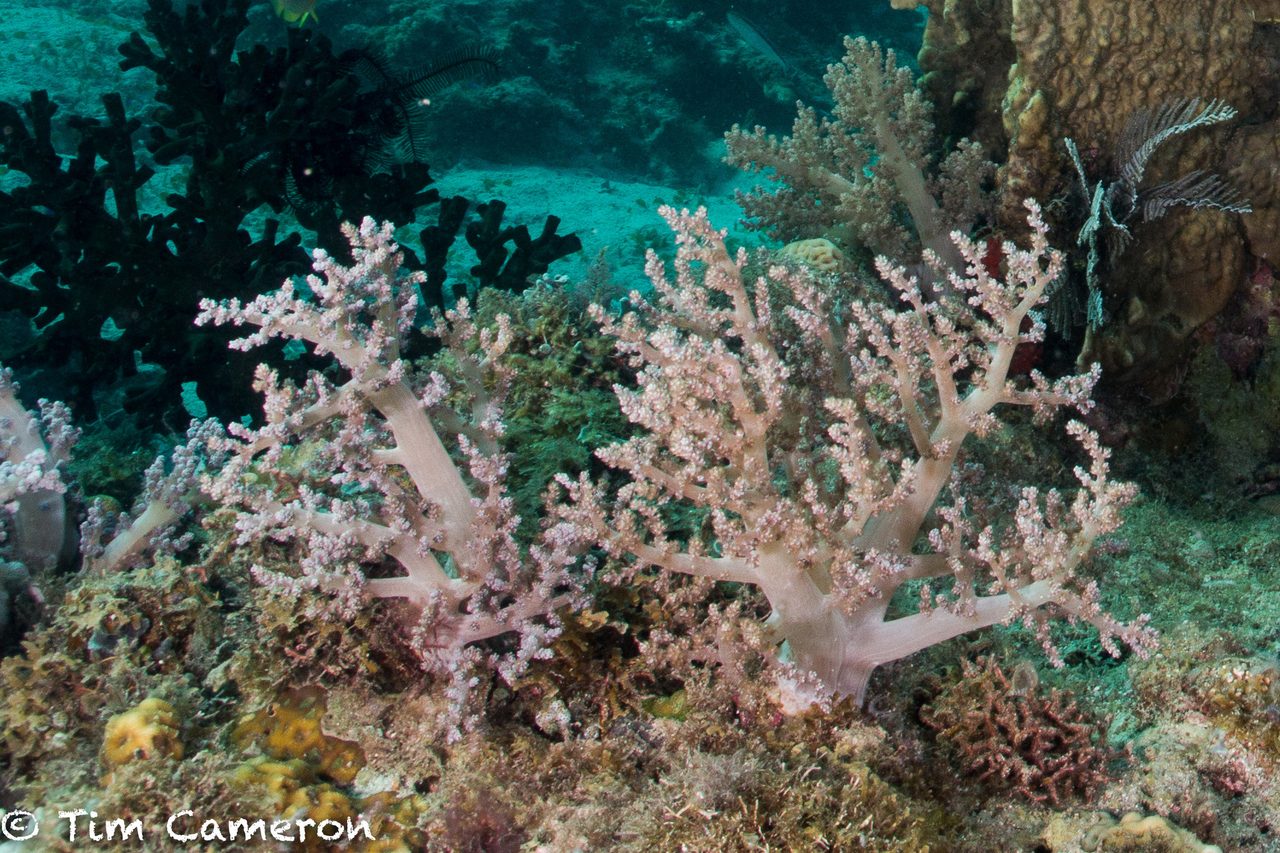
Where to buy Ball Tree Coral
ReefDock searches the following reef retailers for this coral. Click through to see the live price.
- Search World Wide Corals
World Wide Corals
Search this retailer
- Search Tidal Gardens
Tidal Gardens
Search this retailer
- Search Amazon
Amazon
Search this retailer
- Search Petco
Petco
Search this retailer
About Ball Tree Coral
Ball Tree Coral forms distinctive spherical or ball-like clusters of polyps ranging from cream to pale brown or yellowish tones. The structure consists of branching polyps radiating from a central axis, creating a compact, rounded silhouette with a textured, bumpy appearance.
Key facts
- Coloration
- Cream, pale brown, yellow, or tan; occasionally with darker branch tips.
- Appearance Description
- Ball Tree Coral forms distinctive spherical or ball-like clusters of polyps ranging from cream to pale brown or yellowish tones. The structure consists of branching polyps radiating from a central axis, creating a compact, rounded silhouette with a textured, bumpy appearance.
- Additional Notes
- Ball Tree Coral is hardy and forgiving for intermediate aquarists. Provide stable conditions and avoid strong direct flow or aggressive lighting to prevent stress and polyp recession.
- Lighting Requirement
- Low to Medium (75-150 PAR)
- Growth Rate
- Easy
- Flow Requirement
- Low to Medium
- Placement Recommendation
- Middle
- Origin
- Indo-Pacific region from the Red Sea to the Great Barrier Reef and beyond, found in tropical coral reef environments.
- Feeding Needs
- Light supplemental feeding
- Water Parameters
- Temperature: 72-78°F pH: 8.1-8.3 Salinity: 1.023-1.026
- Family
- Nephtheidae
- Coral Type
- Soft
Research before you buy
ReefDock is the sister app to Reef Trak. Use Reef Trak to research and log coral, keep tank parameters organized, and maintain a complete livestock history. Log this coral on Reef Trak.