
Where to buy Tube Worm
ReefDock searches the following reef retailers for this invertebrate. Click through to see the live price.
- Search Saltwaterfish
Saltwaterfish
Search this retailer
- Search Amazon
Amazon
Search this retailer
- Search Petco
Petco
Search this retailer
About Tube Worm
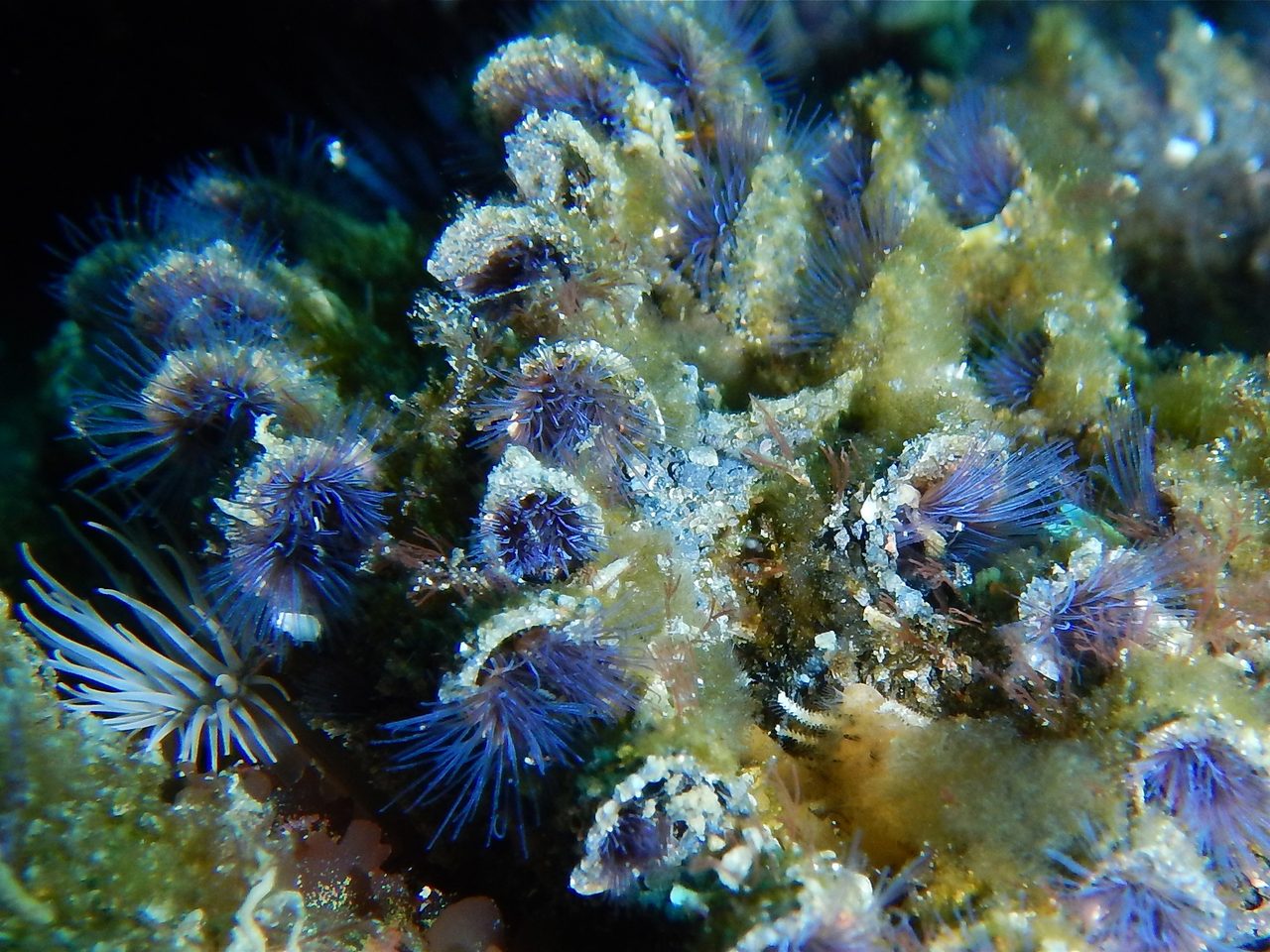
Tube worms are sessile polychaetes with a calcareous or organic tube exterior in white, red, orange, or tan. A feathery crown of colorful branchiae (gill filaments) extends from the tube opening; when disturbed, the crown retracts rapidly into the protective tube.
Key facts
- Diet Details
- Tube worms are filter feeders that consume phytoplankton, zooplankton, and dissolved organic matter. They benefit from regular target feeding with quality phytoplankton or small particle foods in established reef systems.
- Max Size
- 2
- Category
- Worm
- Origin
- Worldwide in tropical and temperate marine waters; found in Indo-Pacific, Atlantic, and Mediterranean regions.
- Appearance Description
- Tube worms are sessile polychaetes with a calcareous or organic tube exterior in white, red, orange, or tan. A feathery crown of colorful branchiae (gill filaments) extends from the tube opening; when disturbed, the crown retracts rapidly into the protective tube.
- Type
- Worm
- Min tank size
- 20 gallons
- Care Level
- Beginner
- Notes
- • Minimum 20 gallon tank • Require strong, indirect waterflow to promote feeding without damaging delicate crowns • Temperature range 72–78°F; maintain stable salinity 1.023–1.025 and pH 8.1–8.3 • Strictly filter feeders; supplement with phytoplankton, copepods, or liquid invertebrate food • Do not disturb or handle; they withdraw permanently if stressed repeatedly
- Compatibility
- Tube worms are stationary filter feeders that pose no threat to fish or other invertebrates. They are excellent reef citizens and make good tank-mates with most peaceful reef inhabitants.
- Water Parameters
- Temperature: 72-78°F pH: 8.1-8.3 Salinity: 1.023-1.025
- Family
- Serpulidae
Research before you buy
ReefDock is the sister app to Reef Trak. Use Reef Trak to research and log invertebrates, keep tank parameters organized, and maintain a complete livestock history. Log this invertebrate on Reef Trak.