
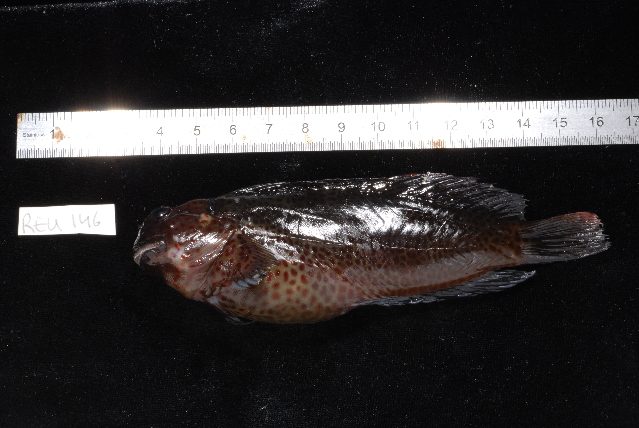
Where to buy Chestnut Blenny
ReefDock searches the following reef retailers for this fish. Click through to see the live price.
- Search Saltwaterfish
Saltwaterfish
Search this retailer
- Search Amazon
Amazon
Search this retailer
- Search Petco
Petco
Search this retailer
About Chestnut Blenny
Blenniidae chestnut has a flattened oval shape and attains a maximum length of about 10 cm. Its color varies from light brown to reddish-brown, with distinctive white blotches on its sides and a conspicuous black spot at the base of its dorsal fin.
Key facts
- Appearance
- Blenniidae chestnut has a flattened oval shape and attains a maximum length of about 10 cm. Its color varies from light brown to reddish-brown, with distinctive white blotches on its sides and a conspicuous black spot at the base of its dorsal fin.
- Feeding Schedule
- Feed 2-3 times daily
- Max Size
- 5
- Family
- Blenniidae
- Water Parameters
- Temperature: 75-80°F (24-27°C) pH: 8.0-8.4 Salinity: 1.021-1.025
- Min tank size
- 100 gallons
- Common Health Issues
- Marine ich, Fin Rot, Swim Bladder Disease, Bacterial Infections, Parasitic Infestations
- Origin
- The Chestnut Blenny (Blenniidae) is naturally found in the tropical waters of the western Atlantic Ocean, from Florida, U.S.A., through the Caribbean and Gulf of Mexico, down to Brazil, including the coasts of Belize, Honduras, Cuba, Jamaica, and the Bahamas. This species inhabits shallow reef environments at depths ranging from 1 to 30 meters.
- Care Level
- Moderate
- Diet
- Omnivore
- Temperament
- Peaceful
- Care Requirements
- • Minimum 100 gallon tank • Water temperature: 72-78°F • pH: 8.1-8.4 • Specific needs: Live rock, macroalgae, hiding places • Strong water flow and good filtration system
Research before you buy
ReefDock is the sister app to Reef Trak. Use Reef Trak to research and log fish, keep tank parameters organized, and maintain a complete livestock history. Log this fish on Reef Trak.