
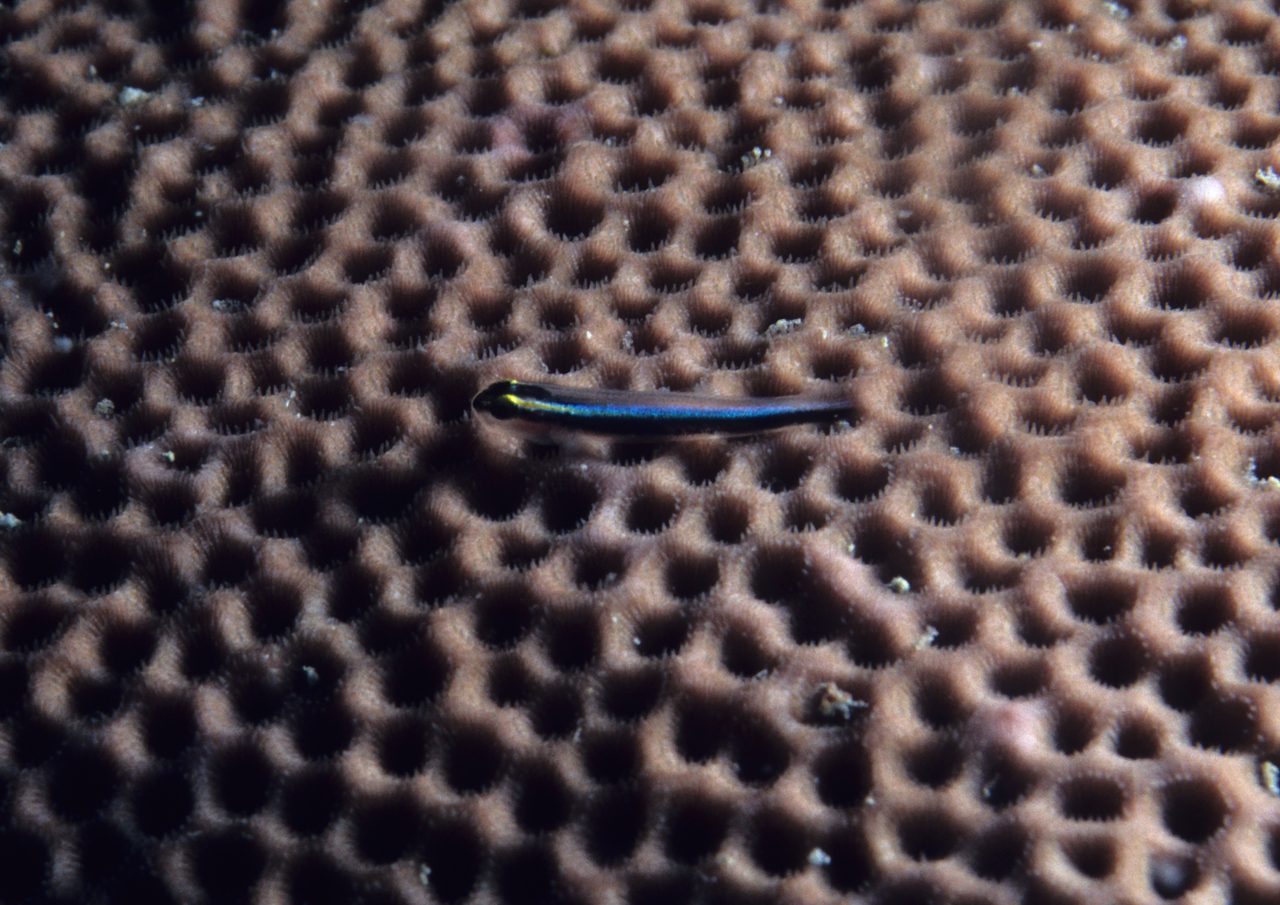
Where to buy Sharknose Goby
ReefDock searches the following reef retailers for this fish. Click through to see the live price.
- Search Saltwaterfish
Saltwaterfish
Search this retailer
- Search Amazon
Amazon
Search this retailer
- Search Petco
Petco
Search this retailer
About Sharknose Goby
Small, slender goby with a yellow to tan body and distinctive dark blue stripes running horizontally along the head and anterior body. The snout is notably elongated and pointed, giving the species its "sharknose" common name.
Key facts
- Difficulty Level
- Easy - Common cleaner goby similar to Neon Goby. Best suited for beginners.
- Appearance
- Small, slender goby with a yellow to tan body and distinctive dark blue stripes running horizontally along the head and anterior body. The snout is notably elongated and pointed, giving the species its "sharknose" common name.
- Min tank size
- 20 gallons
- Temperament
- Peaceful
- Aka
- Sharknose Goby, Evelynae Goby, Cleaner Goby
- Care Level
- Easy
- Common Health Issues
- Marine ich, Fin rot, Swim bladder disorder, Bacterial infections, Parasitic infestations
- Care Requirements
- • Minimum 20 gallons for single specimen • Reef-safe; inhabits coral rubble and cave structures • Prefers dim lighting and plenty of crevices for shelter • Water params: 72-78°F, pH 8.1-8.3, salinity 1.023-1.025 • Feeds on small crustaceans, zooplankton, and prepared foods
- Origin
- Caribbean, from the Bahamas and Florida Keys south through the Tropical Western Atlantic to Brazil, typically found in coral reef environments at depths of 5-50 feet.
- Notes
- Common cleaner goby similar to the Neon Goby. May clean other fish. Hardy and reef safe.
- Max Size
- 3.5
- Feeding Schedule
- Feed 2-3 times daily
Research before you buy
ReefDock is the sister app to Reef Trak. Use Reef Trak to research and log fish, keep tank parameters organized, and maintain a complete livestock history. Log this fish on Reef Trak.