
Where to buy Barbour's Seahorse
ReefDock searches the following reef retailers for this fish. Click through to see the live price.
- Search Saltwaterfish
Saltwaterfish
Search this retailer
- Search Amazon
Amazon
Search this retailer
- Search Petco
Petco
Search this retailer
About Barbour's Seahorse
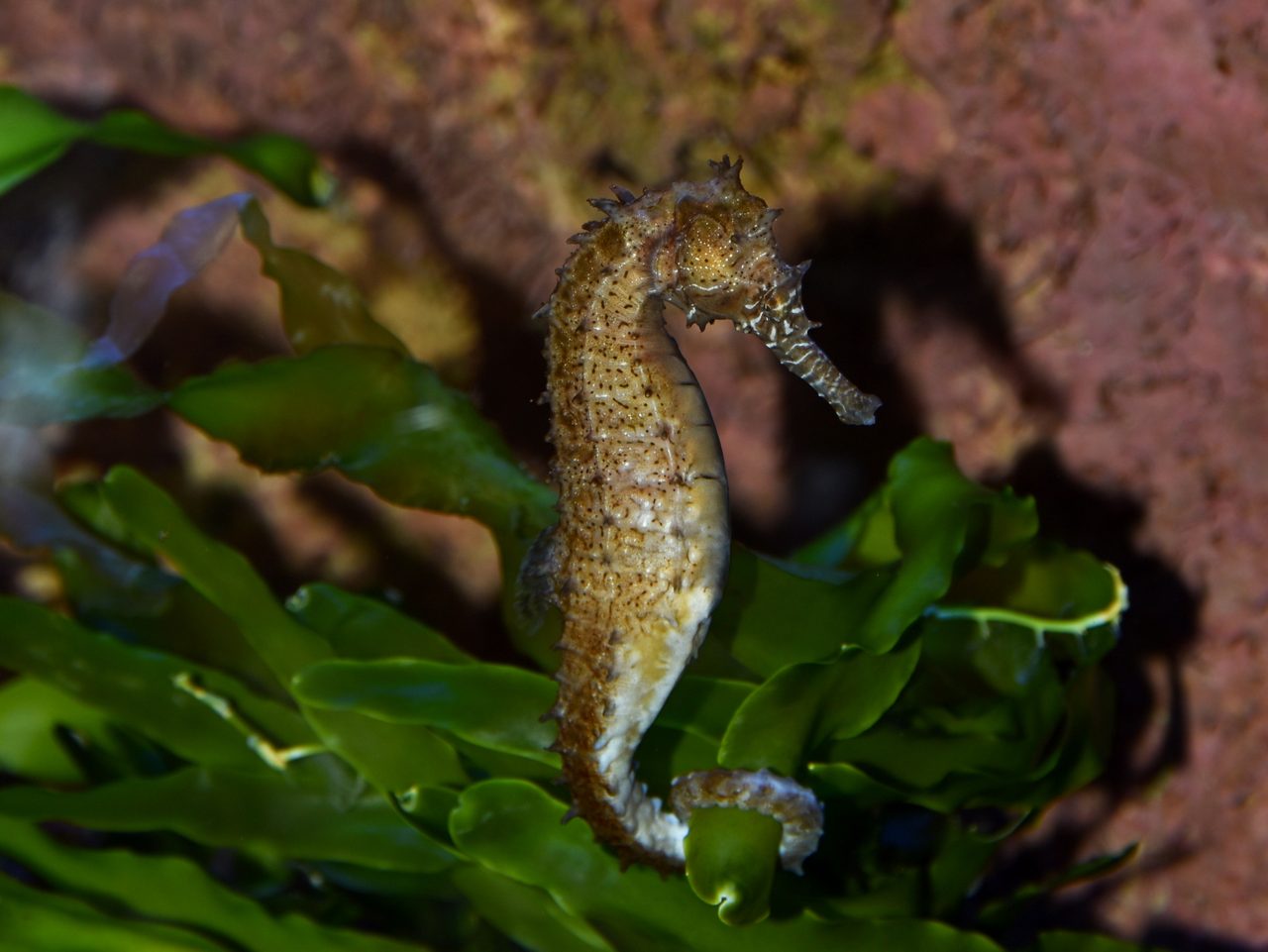
Barbour's Seahorse is a small, ornate seahorse with a slender body and prehensile tail. Coloration typically ranges from tan to brown with darker banding or mottling, and some individuals display reddish or yellowish hues. It features a prominent snout and various skin appendages (cirri) along the body that help with camouflage.
Key facts
- Origin
- Indo-Pacific region, particularly found in seagrass beds and shallow coral reef environments from Indonesia to the Philippines and surrounding areas.
- Common Health Issues
- Starvation, poor water quality sensitivity, head-and-tail rot, parasitic infections, low copepod availability
- Family
- Syngnathidae
- Water Parameters
- Temperature: 72-78°F pH: 8.1-8.3 Salinity: 1.02-1.025
- Min tank size
- 20 gallons
- Appearance
- Barbour's Seahorse is a small, ornate seahorse with a slender body and prehensile tail. Coloration typically ranges from tan to brown with darker banding or mottling, and some individuals display reddish or yellowish hues. It features a prominent snout and various skin appendages (cirri) along the body that help with camouflage.
- Max Size
- 5.5
- Feeding Schedule
- 3-4 times daily
- Diet Details
- Feed small live foods such as copepods, mysis shrimp, amphipods, and other small crustaceans. Seahorses are poor competitors and need frequent, gentle feeding to ensure adequate caloric intake.
- Reef safety
- Reef Safe
- Difficulty Level
- Barbour's Seahorse is an expert-level species requiring pristine water conditions, consistent live food availability, a calm tank environment free of aggressive tankmates, and careful observation for feeding. Not recommended for beginners.
- Temperament
- Peaceful
Research before you buy
ReefDock is the sister app to Reef Trak. Use Reef Trak to research and log fish, keep tank parameters organized, and maintain a complete livestock history. Log this fish on Reef Trak.