
Where to buy Short-Tailed Pipefish
ReefDock searches the following reef retailers for this fish. Click through to see the live price.
- Search Saltwaterfish
Saltwaterfish
Search this retailer
- Search Amazon
Amazon
Search this retailer
- Search Petco
Petco
Search this retailer
About Short-Tailed Pipefish
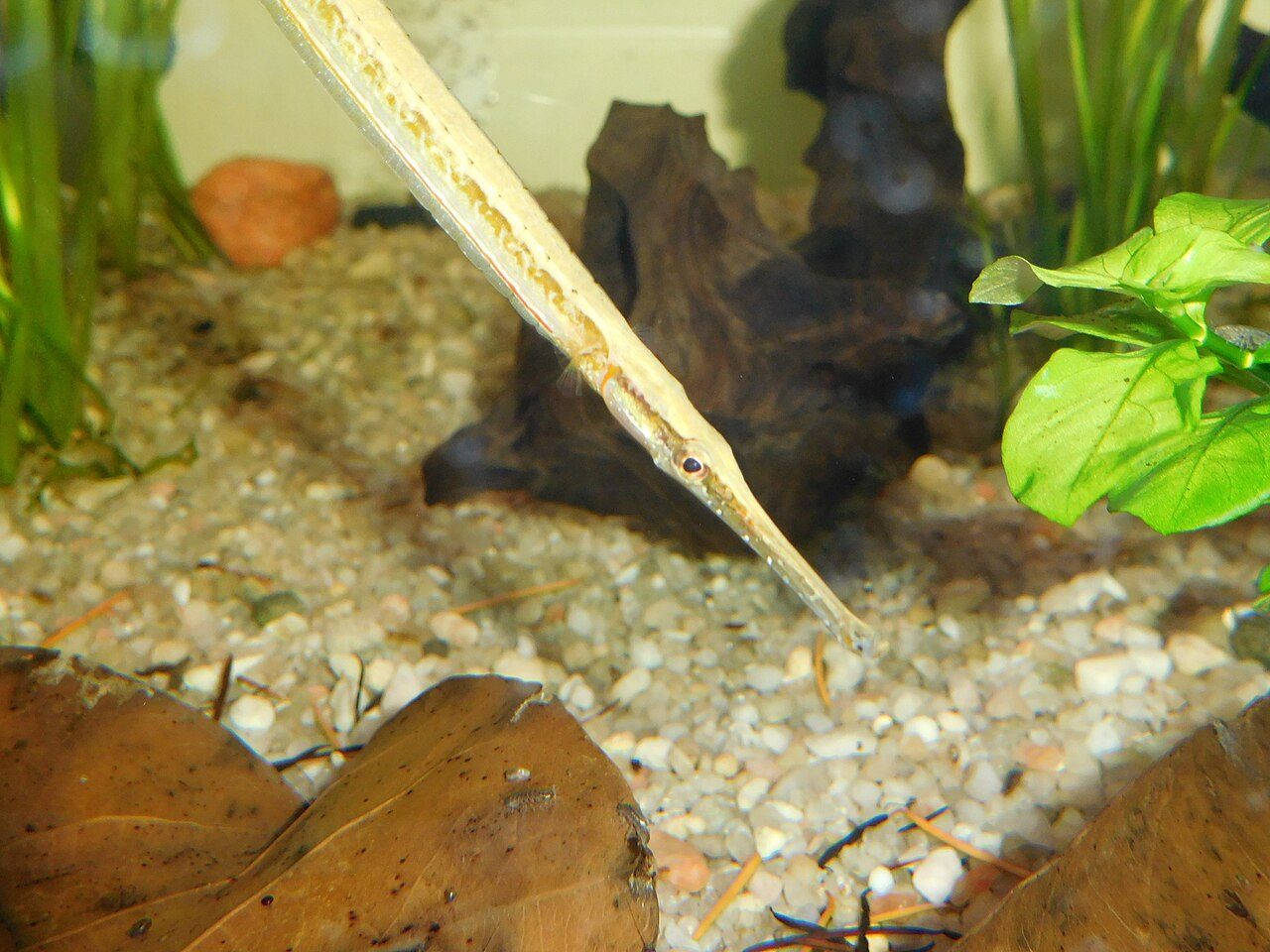
Short-tailed pipefish are elongated, slender fish with a tubular snout and a prehensile tail. Coloration varies from brown to greenish-brown with subtle mottling; they possess a segmented, armored body typical of syngnathids and blend well with seagrass and weedy habitats.
Key facts
- Difficulty Level
- Advanced - Requires experienced care due to sensitive nature specific habitat needs or complex dietary requirements. Best for expert aquarists.
- Diet Details
- Feed small live foods such as copepods, amphipods, and small mysid shrimp. Frozen mysis shrimp may be accepted with patience and conditioning. Multiple small feedings daily are essential since pipefish have tiny mouths and high metabolic rates.
- Reef safety
- Reef Safe
- Care Level
- Hard
- Diet
- carnivore
- Care Requirements
- • Minimum 20-gallon tank with calm flow (0.5–1 knot) • Water: 72–78°F, pH 7.8–8.3, sg 1.020–1.024 • Requires live foods: copepods, amphipods, small mysis shrimp • Peaceful tank only; avoid aggressive or large tankmates • Excellent hiding places with seagrass or macro algae
- Temperament
- Peaceful
- Common Health Issues
- Marine ich, Fin Rot, Swim Bladder Disease, Bacterial Infections, Parasitic Infestations
- Origin
- Indo-Pacific, including coastal waters from East Africa through Southeast Asia to the Philippines and Indonesia.
- Feeding Schedule
- Feed 2-3 times daily
- Max Size
- 5
- Appearance
- Short-tailed pipefish are elongated, slender fish with a tubular snout and a prehensile tail. Coloration varies from brown to greenish-brown with subtle mottling; they possess a segmented, armored body typical of syngnathids and blend well with seagrass and weedy habitats.
Research before you buy
ReefDock is the sister app to Reef Trak. Use Reef Trak to research and log fish, keep tank parameters organized, and maintain a complete livestock history. Log this fish on Reef Trak.