
Where to buy Mono Sebae
ReefDock searches the following reef retailers for this fish. Click through to see the live price.
- Search Saltwaterfish
Saltwaterfish
Search this retailer
- Search Amazon
Amazon
Search this retailer
- Search Petco
Petco
Search this retailer
About Mono Sebae
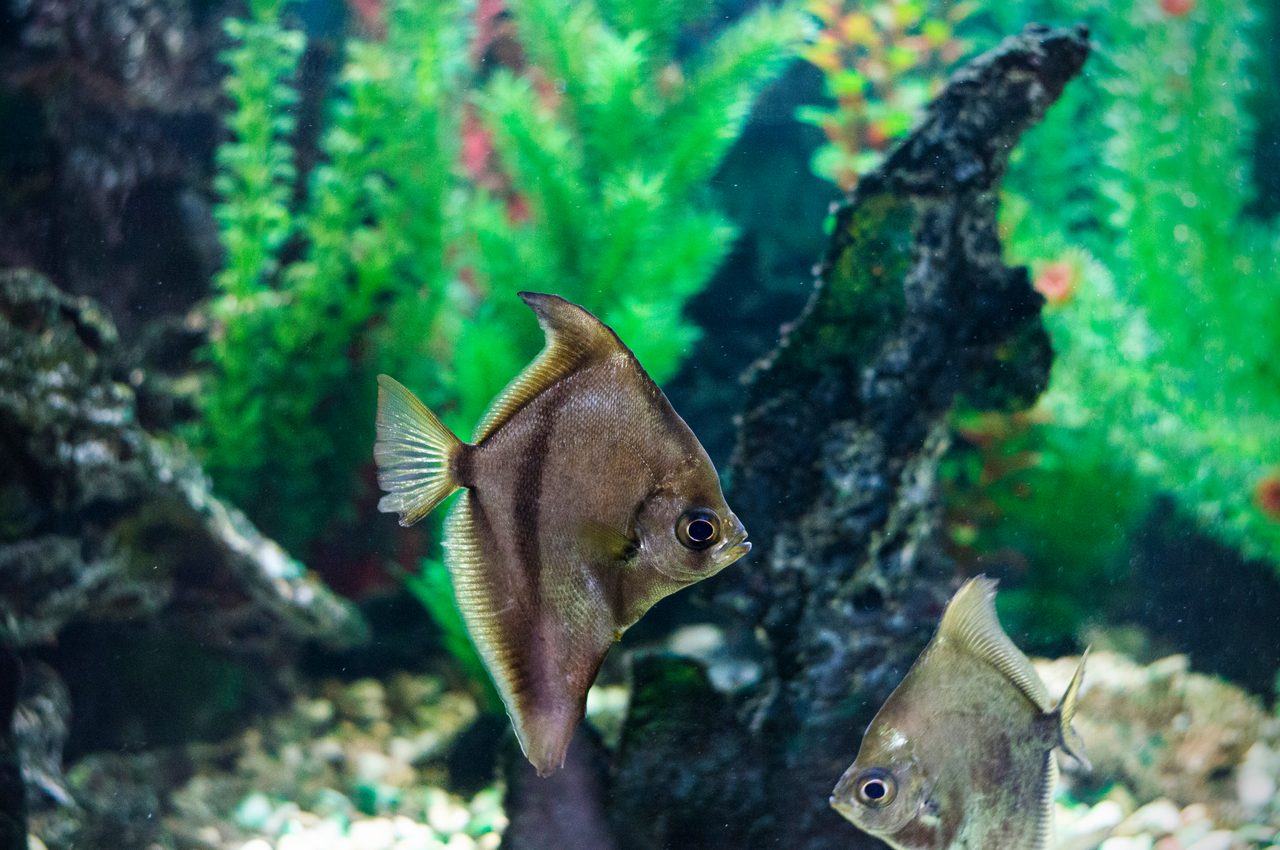
A silvery disc-shaped fish with a laterally compressed body and yellow-gold coloration on the dorsal and anal fins. The body is bright silver with distinctive dark vertical bands, and the face often shows yellow markings around the eye and mouth.
Key facts
- Care Requirements
- • 55+ gallon tank for adults; Monodactylus sebae grow to 9 inches • Brackish water preferred (SG 1.010–1.015); slightly alkaline pH 7.5–8.0 • Feed varied diet: quality pellets, live/frozen foods (shrimp, bloodworms) • Moderately aggressive; keep in groups or monitor compatibility with peaceful fish • Strong swimmers; provide open space and minimal décor to reduce injury
- Notes
- Brackish to marine species. Can adapt to various salinities. Common in brackish and marine setups. Will eat small fish.
- Diet
- omnivore
- Feeding Schedule
- Feed 2-3 times daily
- Reef safety
- Not Reef Safe
- Difficulty Level
- Moderate - Can adapt to brackish or marine conditions. Best suited for intermediate aquarists.
- Water Parameters
- Temperature: 72-82°F pH: 7-8 Salinity: 1.02-1.025
- Min tank size
- 55 gallons
- Appearance
- A silvery disc-shaped fish with a laterally compressed body and yellow-gold coloration on the dorsal and anal fins. The body is bright silver with distinctive dark vertical bands, and the face often shows yellow markings around the eye and mouth.
- Family
- Monodactylidae
- Care Level
- Moderate
- Aka
- African Mono, Sebae Mono, Fingerfish
Research before you buy
ReefDock is the sister app to Reef Trak. Use Reef Trak to research and log fish, keep tank parameters organized, and maintain a complete livestock history. Log this fish on Reef Trak.