
Where to buy Longnose Hawkfish
ReefDock searches the following reef retailers for this fish. Click through to see the live price.
- Search Saltwaterfish
Saltwaterfish
Search this retailer
- Search Amazon
Amazon
Search this retailer
- Search Petco
Petco
Search this retailer
About Longnose Hawkfish
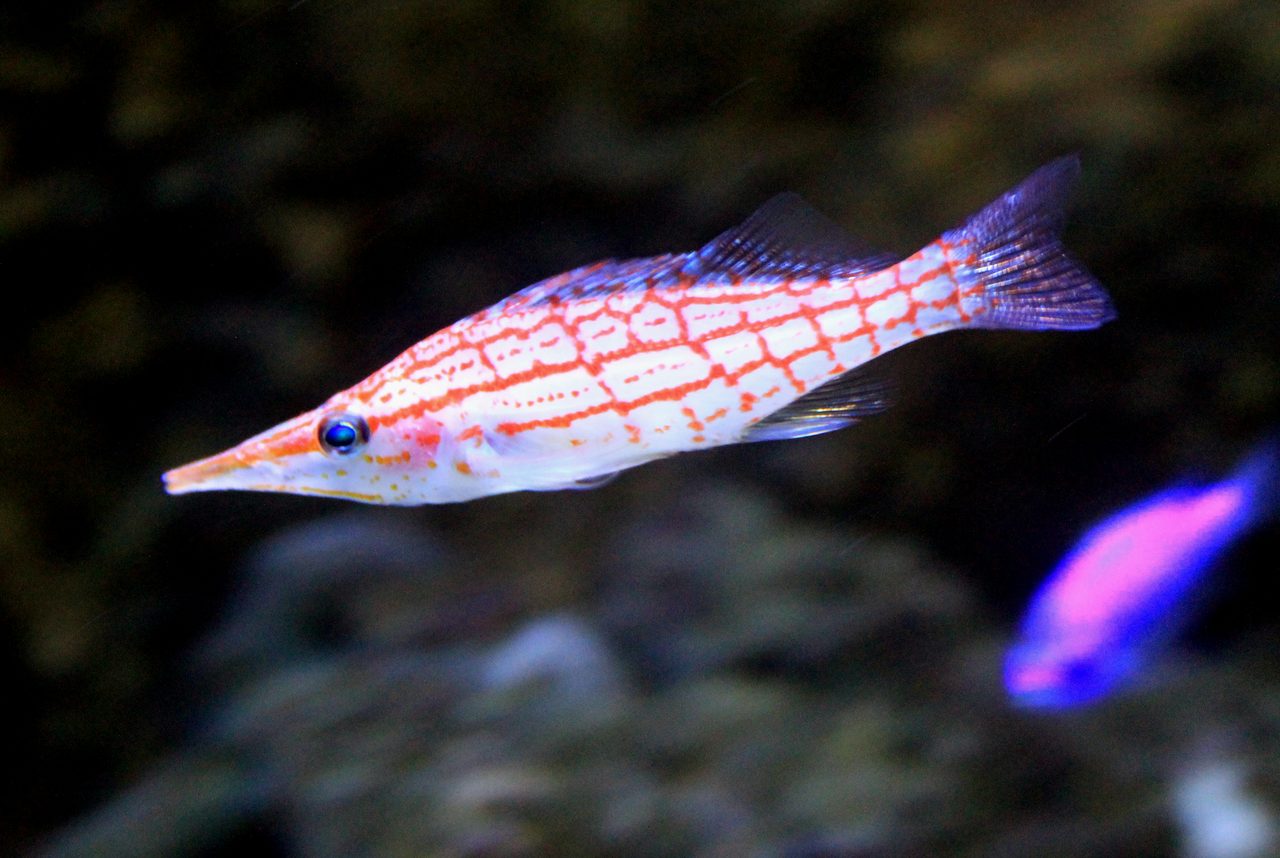
Small, elongated body with a distinctive long, pointed snout and bright red coloration marked with white spots or bands. Large pectoral fins with cirri (filament-like appendages) on the dorsal fin and head are characteristic of the family.
Key facts
- Difficulty Level
- Moderate - Requires some experience due to specific dietary water or tank requirements. Best suited for intermediate aquarists.
- Diet Details
- Feed small meaty foods including mysis shrimp, small fish pieces, and quality flake foods designed for carnivorous fish. They are active hunters that prefer live or recently thawed food offerings multiple times daily.
- Reef safety
- Reef Safe with Caution
- Care Requirements
- • 75 gallon minimum tank size • pH 8.1–8.3, SG 1.023–1.025, 72–78°F • Plenty of rockwork and perches for resting and hunting • May nip small shrimp and ornamental crustaceans • Feeds on small crustaceans, mysis shrimp, and small fish
- Temperament
- Semi Aggressive
- Care Level
- Moderate
- Diet
- carnivore
- Common Health Issues
- Marine ich, Fin rot, Swim bladder disorder, Bacterial infections, Parasitic infestations
- Origin
- Indo-Pacific coral reefs from the Red Sea and East Africa to Hawaii and the Great Barrier Reef, typically found at depths of 20–200 meters.
- Min tank size
- 75 gallons
- Family
- Cirrhitidae
- Water Parameters
- Temperature: 72-78°F pH: 8.1-8.3 Salinity: 1.023-1.025
Research before you buy
ReefDock is the sister app to Reef Trak. Use Reef Trak to research and log fish, keep tank parameters organized, and maintain a complete livestock history. Log this fish on Reef Trak.